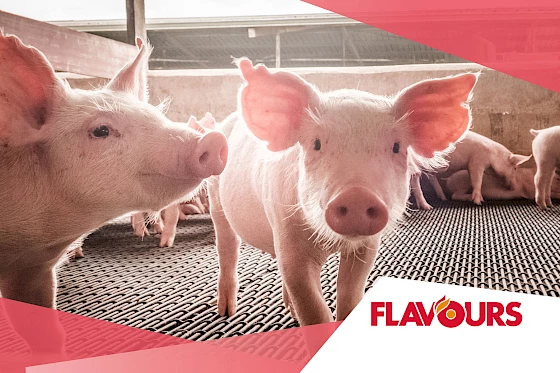
Mycotoxins are toxic secondary metabolites produced by certain types of fungi, primarily molds, that can contaminate food and feed crops. These toxins are naturally occurring and can pose significant health risks to humans and animals if consumed in sufficient quantities. This fungal contamination is a global concern in agriculture and food safety. Mycotoxins can contaminate crops during cultivation, harvesting, transportation, and storage. Factors such as temperature, humidity, and poor storage conditions can promote mold growth and mycotoxin production. There are many different types of mycotoxins, some of the most well-known ones are aflatoxins, ochratoxins, fumonisins, deoxynivalenol (DON or vomitoxin), and zearalenone. Each mycotoxin has its own unique properties and can affect various organ systems, especially in animals. Climate conditions, including temperature and humidity, can influence the prevalence of mycotoxins in crops. During periods of high rainfall, especially during the harvest season, mycotoxin levels in crops can increase sharply, which in turn poses challenges for both feed producers and animal feeders. Postharvest mitigation strategies are an important and cost-effective method to control the cause. The core grain postharvest interventions used as mitigating strategies of mycotoxin includes rapid and proper drying, postharvest insect control, proper transportation and packaging, good storage conditions are often not sufficient to achieve safe levels of mycotoxins in feed. Especially in 2023 European feedstuffs are at risk from mycotoxins due to challenging summer weather and due to actual climate change it will continue to be an emerging issue.
Mycotoxins in feed can have a significant impact on the health and performance of livestock. Here are some examples how mycotoxins in feed can affect livestock health:

Picture 1: Enlarged, swollen and pale kidney of a hen due to Mycotoxins in feed (Hassan et. al., 2019)

Picture 2: Sensitivity of livestock to mycotoxins. Especially pigs are affected (Source: PIGS XL - https://pigsxl.de/).
Mycotoxins, while primarily known for their toxic effects on various organ systems, can indirectly impact vitamin D and calcium metabolism in animals. It's important to note that the specific effects of mycotoxins on calcium and vitamin D metabolism can vary depending on the type of mycotoxin, the level of exposure, and the species of the affected organism. Additionally, the effects of mycotoxins on these processes are often indirect, resulting from the overall disruption of health and normal physiological functions.
Let’s start with the effect of mycotoxins on calcium absorption and metabolism. Mycotoxins, particularly those that cause digestive issues or damage to the gastrointestinal tract, can interfere with the absorption of essential nutrients, including calcium. Reduced calcium absorption can lead to imbalances in calcium metabolism, and thus to a mild hypocalcemia (low blood calcium levels). Simultainously, mycotoxins affect also the vitamin D metabolism, which strongly controls calcium absorption. Mycotoxins that affect liver function or impair the production of certain enzymes involved in vitamin D activation may indirectly disrupt calcium homeostasis.
As vitamin D plays an important role in in the immunity of the animals, the effect of mycotoxins on the immune system shouldn’t be underestimated. Some mycotoxins can weaken the immune system, which may lead to increased susceptibility to infections and inflammatory conditions. A deficiency of vitamin D can impair immune function. Therefore, mycotoxin-induced immunosuppression may exacerbate the effects of vitamin D deficiency.
Disrupted calcium metabolism can have negative effects on bone health. Chronic exposure to mycotoxins, especially those causing digestive and liver issues, can lead to weaker bones, which may be further exacerbated if there is also a deficiency in vitamin D, as vitamin D is essential for bone health. Also, it is important to mention the effect of several mycotoxins on hormones like parathyroid hormone (PTH), which play a key role in regulating calcium levels in the body. An imbalance in these hormonal systems can affect calcium and vitamin D metabolism.

Murat Devlikamov studied Agricultural Sciences at the University of Giessen, Germany, and did his Master’s thesis on broiler nutrition. At Phytobiotics, he is the Product Manager of the plant-based product Active D. Murat conducts scientific research on targeted vitamin D supply to create practical solutions for animals in periods of high metabolic challenge.
Contact our experts or send us a message. We will contact you as soon as possible.