Long before phytogenic feed additives became a major category in animal nutrition, Sangrovit® was already attracting attention from producers, nutritionists, veterinarians, and industry media. Throughout the late 1990s, numerous trade publications reported improvements in animal performance, feed utilization, and profitability associated with Sangrovit® supplementation.
At the time, livestock producers faced a growing challenge. Markets demanded efficient, profitable production while the industry was actively searching for alternatives to traditional antibiotic growth promoters. Sangrovit® offered a different approach: harnessing the power of bioactive compounds from the plant Macleaya cordata to support animal performance naturally.
More than 25 years later, the core promise remains unchanged. What has changed is the science, standardization, and value proposition behind the product.
Today, Sangrovit® has evolved into its 3rd Generation, combining decades of practical experience with advanced plant breeding, patented innovation, and a broader economic impact that extends all the way to carcass quality and meat yield.
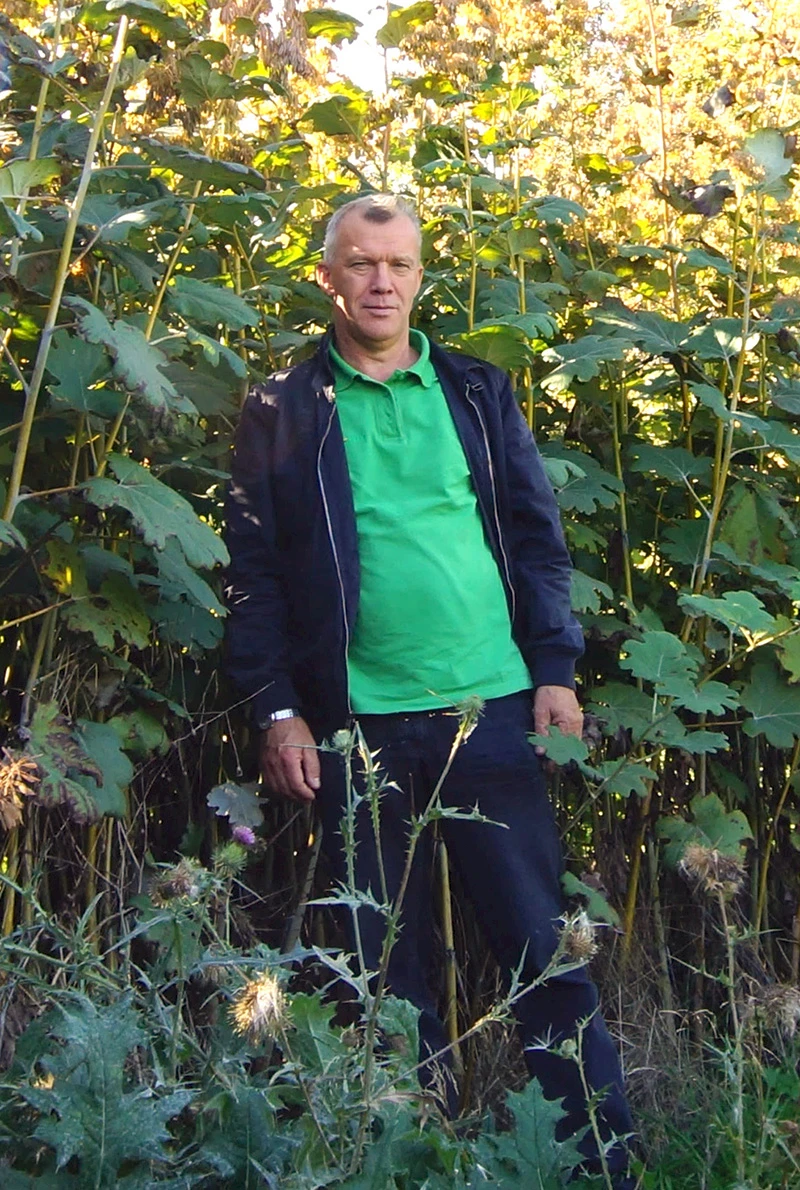
The image shows Dr. Hermann Roth, founder of Phytobiotics, standing in a field of Macleaya cordata, returning to the very origin of the product that shaped the company he founded.
The historical press collection Pressestimmen (2001) documents how Sangrovit® was perceived across the livestock industry between 1996 and 2001.
Publications consistently highlighted benefits such as:
When the originally reported Deutsche Mark values are converted using the official fixed exchange rate of 1 EUR = 1.95583 DM, the economic advantage reported in the trade press corresponds to approximately €2.28 to €3.67 per finishing pig.
| Publication | Topic reported | Benefit (DM) | Benefit (EUR) |
|---|---|---|---|
| DGS Magazin 40/1998 | Natural improvement of finishing performance | 7.18 | €3.67 |
| DGS Magazin 22/1999 | Alternative feed additives in practice | 4.50 | €2.30 |
| Mühle und Mischfuttertechnik 7/1997 | Performance and ecological benefits | 4.46 | €2.28 |
| SUS 1/1998 | Digestive support under practical conditions | 4.50 | €2.30 |
| SUS 6/1998 | Evaluation of plant-based feed additives | 6.25 | €3.20 |
| SUS 2/1997 | Results from Danish finishing pigs | 6.25 | €3.20 |
| Deutsche Tierärztliche Wochenschrift 11/1997 | Alternative to antibiotic growth promoters | 4.50 | €2.30 |
For many years, Sangrovit®'s success was linked to its standardized content of bioactive isoquinoline alkaloids derived from Macleaya cordata.
These alkaloids became known for supporting:
The most significant innovation in recent years has been the introduction of Sangrovit® 3rd Generation, representing the next step in the product's development.
At the center of this advancement is the addition of a fifth standardized alkaloid:
Canadine: expanding the value proposition
Historically, Sangrovit®'s activity was associated with four major isoquinoline alkaloids:
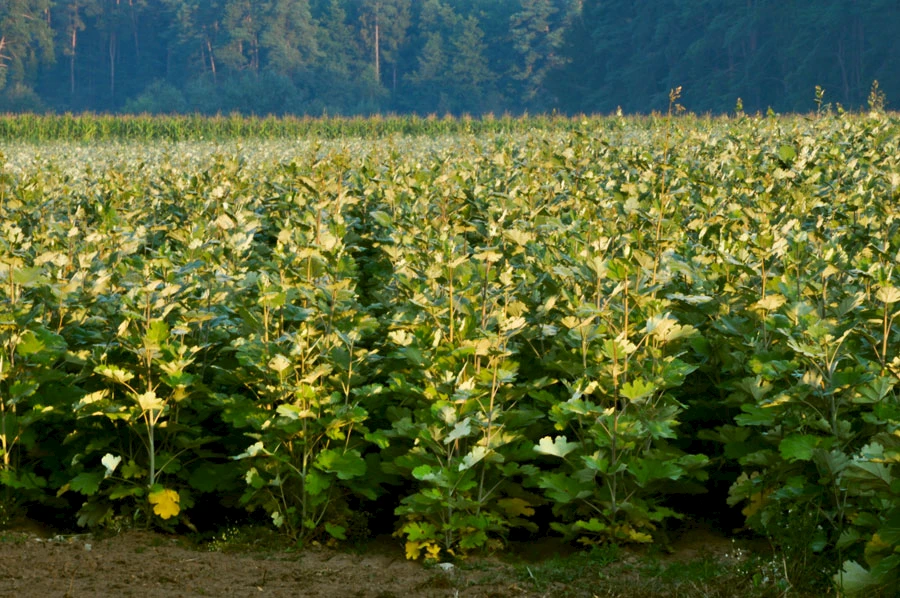
The introduction of standardized canadine was not achieved through chemical manipulation or synthetic technology.
Instead, it was the result of a dedicated natural breeding program for Macleaya cordata conducted in cooperation with a German plant breeding institute.
Key milestones
2012-2022
Perhaps the most exciting development of Sangrovit® 3rd Generation is the emergence of measurable carcass-quality benefits.
While traditional feed additive evaluations often end at feed conversion and body weight gain, newer data demonstrate effects that continue through to processing and meat production.
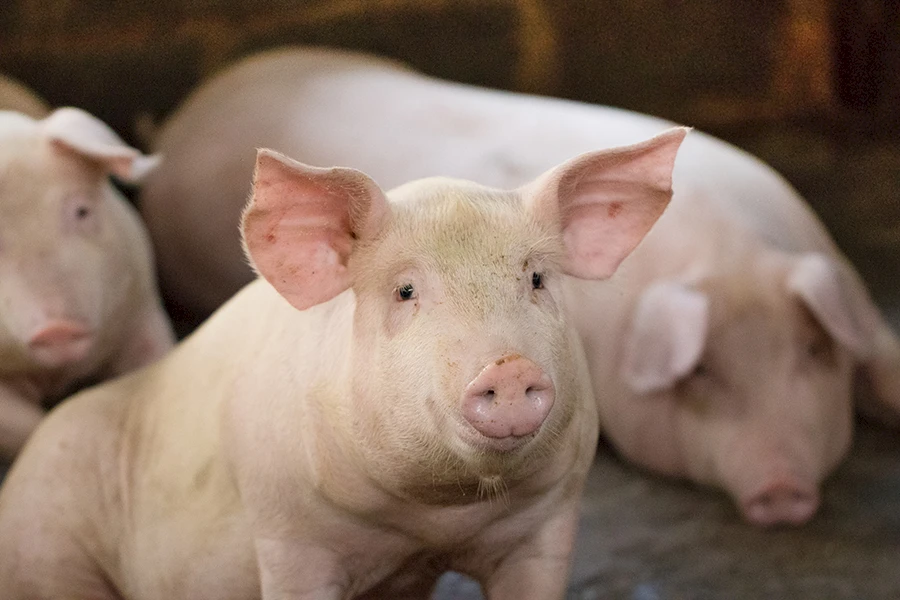
A study involving 995 PIC pigs supplemented for the final 30 days before slaughter reported:
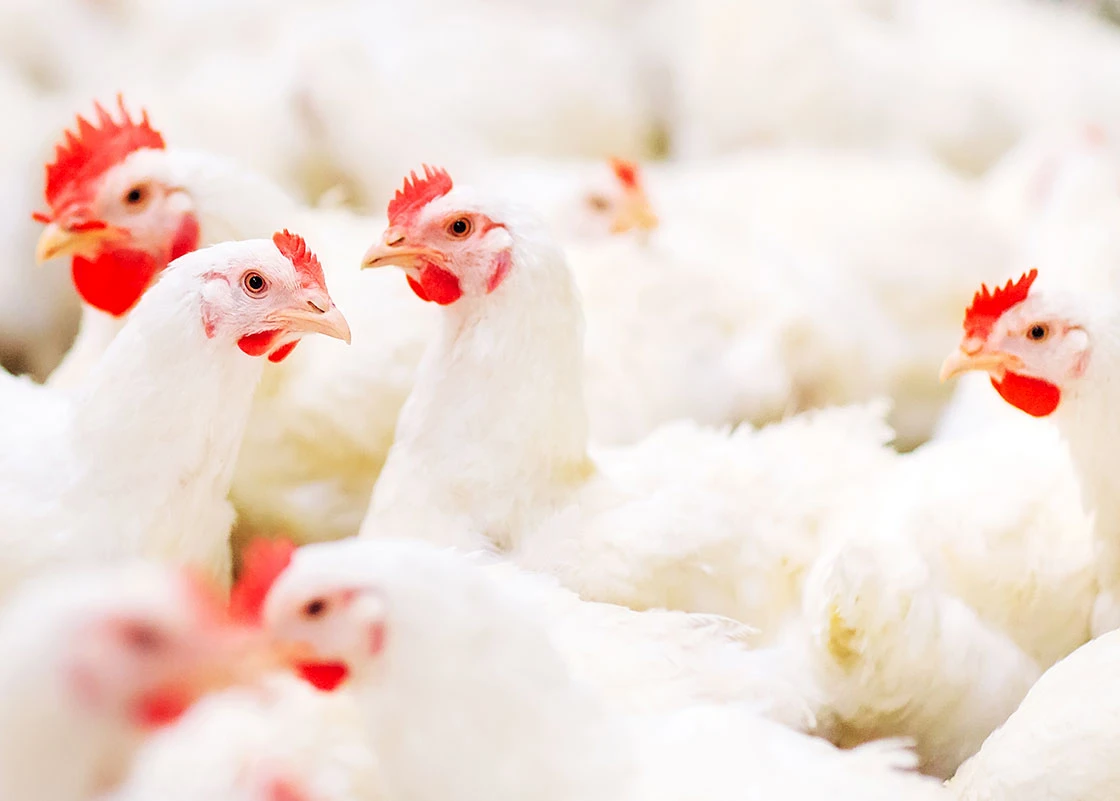
A slaughter analysis involving 26,400 Cobb 500 broilers demonstrated improvements in commercially valuable cuts:
Modern livestock production rarely occurs under ideal circumstances. Heat stress, environmental fluctuations, and management challenges can significantly impact productivity.
To evaluate Sangrovit® 3rd Generation under practical pressure, the Agricultural University of Athens and FeedIT conducted a broiler trial in 2026 using:
Compared with control groups, Sangrovit® 3rd Generation demonstrated:

The story of Sangrovit® today is very different from the story told in trade journals 25 years ago.
In the late 1990s, the focus was on growth, feed efficiency, and profitability.
Today, those benefits remain relevant, but Sangrovit®'s value proposition has expanded considerably.
It now combines:
Looking back, the historical press reports were early indicators of a product that would continue evolving for decades. What started as a pioneering phytogenic feed additive has become a science-driven technology platform supported by natural breeding, advanced standardization, and modern production objectives.
The strongest conclusion is simple: Sangrovit® 3rd Generation preserves the proven production benefits of the original platform while adding measurable value at slaughter, creating opportunities for producers, processors, and integrated supply chains alike.

Verena Determann holds a Bachelor of Science in Agricultural Economics from the University of Applied Sciences in Bingen and subsequently deepened her expertise through a Master’s degree in Livestock Sciences at Justus Liebig University Giessen. Nowadays, Verena serves as the Product Manager for Sangrovit® at Phytobiotics.

Contact our experts or send us a message. We will contact you as soon as possible.